
The transport drone - and a future where it carries our robots
We have a prototype transport drone with up to 500 kg payload. In time it should carry not only loads and people, but our robots straight to the worksite.
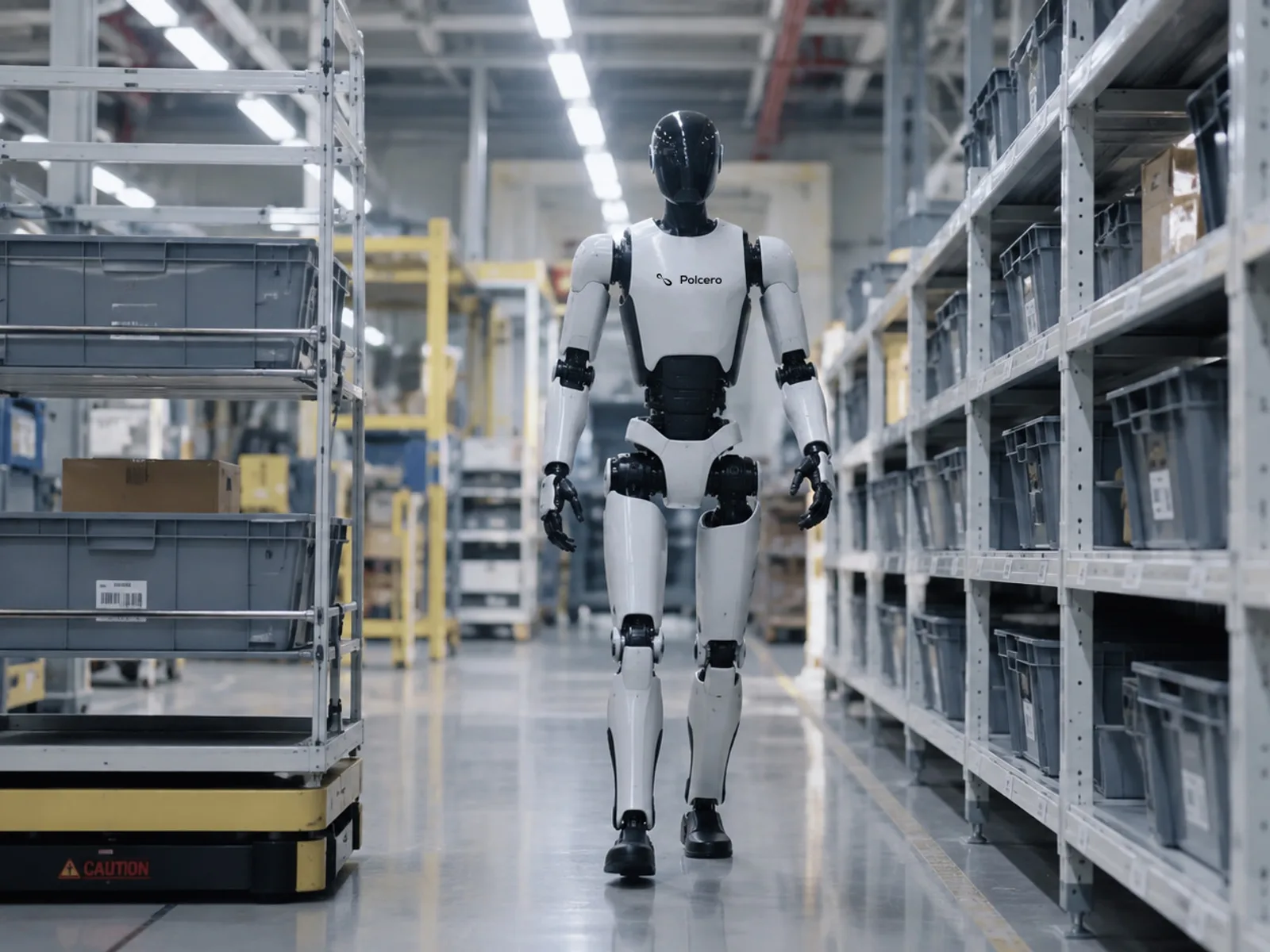
We have a prototype transport drone with up to 500 kilograms of payload. We don’t call it “the 500 kg drone” - payload is a spec, not a name. It is a transport drone, and the number only says how much it lifts.
We see two uses for it today. The first is transport from hard-to-reach places: mountainous and forested terrain, construction sites without paved roads, areas cut off after a failure or flood. The second is carrying loads and people where access is costly, slow or impossible.
In time, the drone carries robots
The most interesting part is still ahead of us. We want the drone to become a means of transport not only for goods and people, but for our robots. A robot picks up the task modules it needs for a specific job, boards the drone and flies to the site.
This is the missing link of the hourly-rental model. If a robot is to work at a client for a few hours and then at the next one, the cost and time of delivering it decide the economics of the whole service. A drone delivering the robot to the client’s site removes the need to maintain a fleet of vehicles and drivers, and frees delivery from traffic and road conditions.
Work on this machine currently focuses on control, autonomy and task equipment. A machine of this class is subject to separate certification requirements, which we treat as part of the schedule, not a detail to skip.