
Why we call our products modular robots
One body module, many chassis, swappable task modules and an AI brain - the idea behind POLCERO's modular robots and the ecosystem we are building.
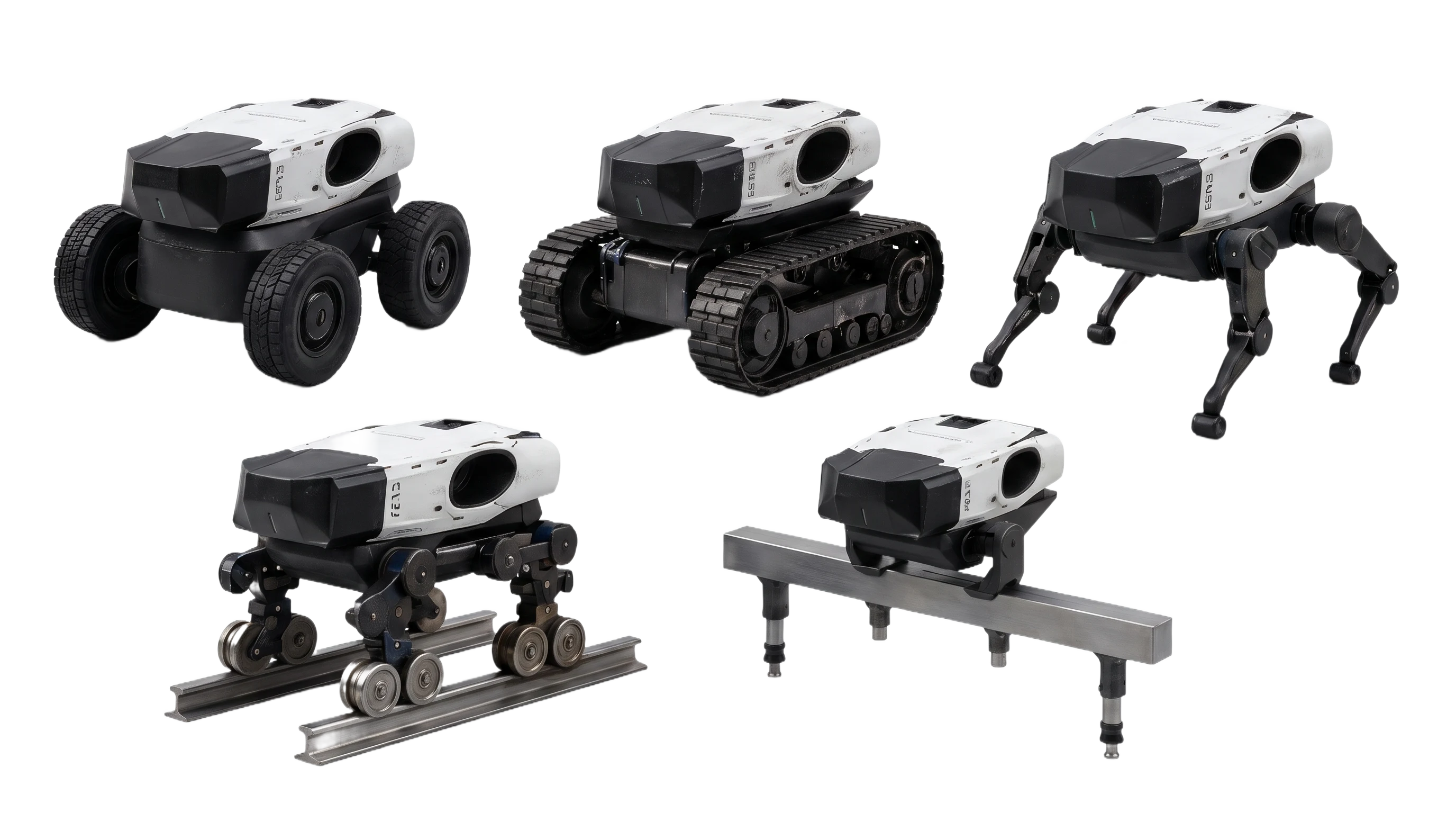
We call our products modular robots for a simple reason: the same body module connects to every type of specialized chassis and, with legs and arms added, to a humanoid.
One module, many machines
The body is a module. Inside it sit the control system, perception and the AI brain. Bolt that module onto a specialized chassis - say a tracked robot - and it drives and performs tasks that have been pre-programmed and trained in the system. Add legs and arms instead, and the same core becomes a humanoid.
The common core stays the same: chassis, controls, perception and a quick-release tool connector. The working end and the program change - not the whole machine.
Task modules do the work
Once the robot is on site, task modules decide what it can do. Add robot arms with special grippers or knife-grippers, and a machine running an agriculture AI system can harvest vegetables in greenhouses, poly-tunnels and fields, and take on other plant-care work. If weeding is needed, the robot swaps the task tool for a laser and clears the weeds.
That is the whole point of modularity: we don’t build five different machines, we build one platform and change the tool and the program.
An ecosystem for many jobs
In the future we want a robot to carry several AI systems and task modules, forming an ecosystem for very different work: agriculture, factory and industrial tasks, construction, monitoring and supervision, and domestic help and cleaning.
The transport layer closes the loop. In time our transport drone will carry not only goods and people, but the robots themselves - a robot picks up the task modules it needs, boards the drone and flies to the worksite.